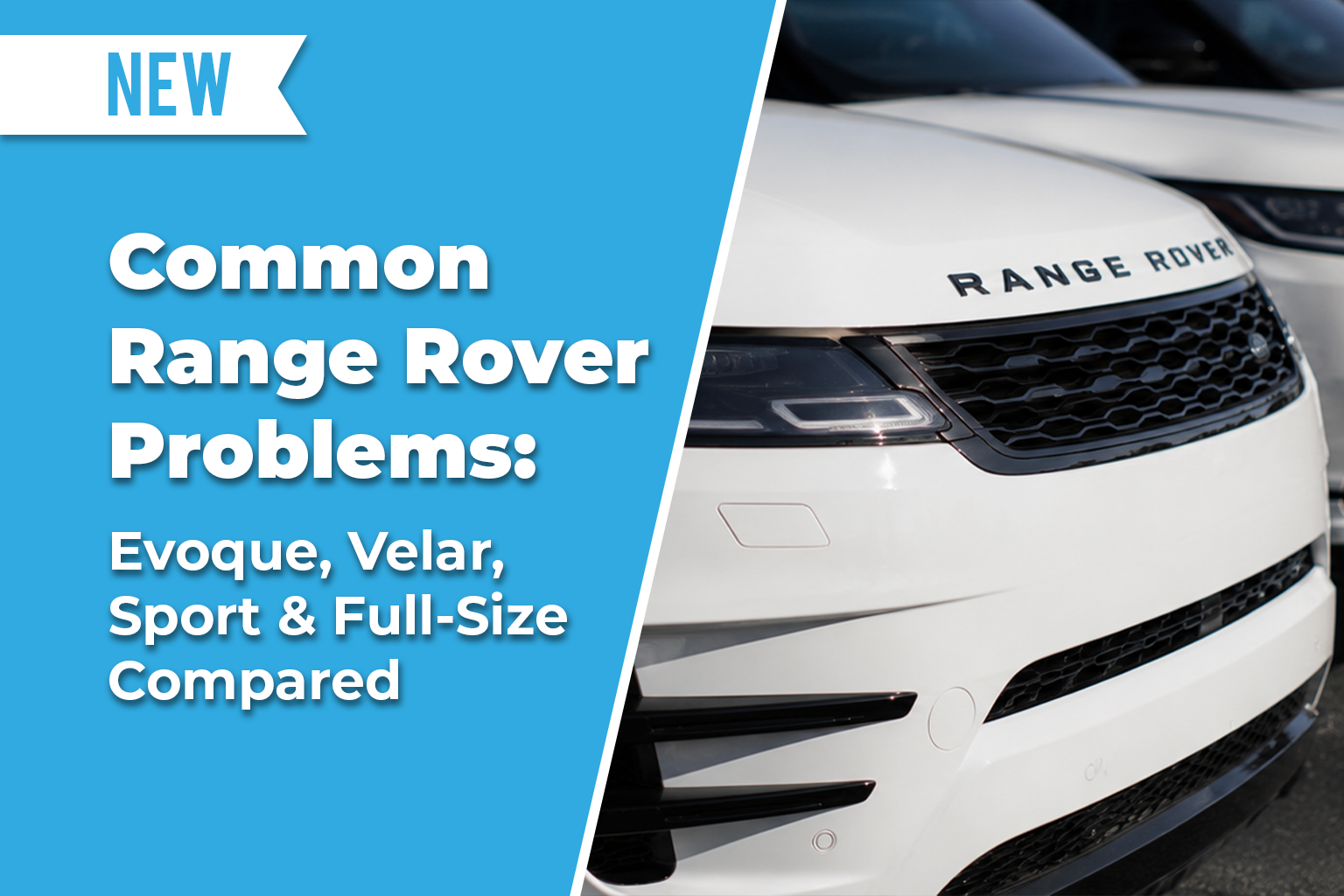
Discover the most common Range Rover problems across the Evoque, Velar, Sport and Full-Size models. Expert diagnostics and repairs in Sandgate, Brisbane Northside.
If you own a Range Rover around Sandgate, Brighton, Deagon, Shorncliffe or anywhere across Brisbane Northside, you already know these vehicles offer exceptional comfort, performance and technology. They’re also packed with sophisticated systems that require the right equipment and experience when something goes wrong.
At Sandgate Auto Electrics & Automotive Service, we regularly diagnose and repair Range Rover faults that can easily be misdiagnosed or lead to unnecessary parts being replaced. Whether it’s an air suspension warning, an electrical fault, or an intermittent dashboard message, proper diagnostics are the key to fixing the problem correctly the first time.
In this guide, we’ll compare the most common issues across the Range Rover Evoque, Velar, Range Rover Sport and Full-Size Range Rover, helping you understand what to watch for and when it’s time to have your vehicle professionally inspected.
Why Range Rovers Develop Different Problems
Although every Range Rover shares the same premium engineering philosophy, each model has its own strengths and common failure points.
Factors that can influence reliability include:
- Complex electronic systems
- Air suspension components on larger models
- Queensland’s heat and humidity
- Salt exposure in coastal suburbs
- Stop-start city driving
- Age and servicing history
Many problems don’t appear overnight. Small warning signs often develop into expensive repairs if they’re ignored.
Range Rover Evoque Problems
The Evoque has become one of Land Rover’s most popular models, particularly for drivers wanting luxury in a compact SUV. While generally reliable when maintained properly, there are several recurring issues we regularly see.
Infotainment System Glitches
One of the most common complaints involves the touchscreen and infotainment system.
Symptoms may include:
- Screen freezing
- Bluetooth disconnecting
- Navigation errors
- Slow system response
- Black display screens
- Reverse camera failures
Software updates sometimes resolve these issues, while others require module diagnosis before replacing expensive components.
Electrical Issues
Like many modern luxury vehicles, the Evoque relies on numerous electronic control modules.
Common electrical faults include:
- Battery drain
- Random warning lights
- Keyless entry problems
- Parking sensor faults
- Power window issues
Because multiple systems communicate together, a single electrical fault can trigger several seemingly unrelated warning messages.
Cooling System Concerns
Some Evoque models have experienced cooling system leaks involving:
- Water pumps
- Thermostat housings
- Expansion tanks
- Coolant hoses
Ignoring coolant loss can quickly lead to overheating and significant engine damage.
Range Rover Velar Problems
The Velar introduced even more technology and luxury, but with additional electronics comes greater diagnostic complexity.
Touchscreen and Control Panel Issues
The dual-screen infotainment system is one of the Velar’s standout features.
Unfortunately, common issues include:
- Screen lag
- Blank displays
- Climate controls becoming unresponsive
- Software faults
- Touch sensitivity problems
Many owners assume the screen itself has failed when the fault actually lies within software or communication modules.
Electrical Gremlins
Electrical issues are common across many modern Range Rover models.
Examples include:
- Dashboard warning messages
- Intermittent sensor faults
- Door lock failures
- Camera system errors
- Adaptive lighting faults
Professional diagnostics are essential before replacing parts, as fault codes alone rarely tell the full story.
Battery Management Problems
The Velar’s extensive electronics place heavy demands on the battery.
Low battery voltage can cause:
- Multiple warning lights
- Start-stop system failures
- Suspension warnings
- Infotainment issues
- Transmission warnings
Testing the charging system is often just as important as testing the battery itself.
Range Rover Sport Reliability
A common question we hear is:
“Is the Range Rover Sport reliable?”
The answer depends heavily on maintenance and how quickly developing faults are addressed.
A properly serviced Range Rover Sport can provide many years of reliable driving, but delaying repairs often leads to much higher repair costs.
Air Suspension Faults
Air suspension is one of the most common Range Rover Sport problems.
Typical symptoms include:
- Vehicle leaning overnight
- Suspension fault warnings
- Compressor running constantly
- Ride height problems
- Harsh ride quality
The fault may involve:
- Air struts
- Compressor
- Valve blocks
- Ride height sensors
- Air lines
Replacing components without confirming the true cause often results in repeat failures.
Suspension Repairs
Electronic Parking Brake Issues
The electronic parking brake system can develop faults that prevent normal operation.
Owners may notice:
- Parking brake warnings
- Grinding noises
- Brake refusing to release
- Dashboard error messages
Early diagnosis usually prevents more extensive damage.
Cooling System Problems
As the vehicle ages, cooling components can wear.
We commonly inspect:
- Radiators
- Water pumps
- Expansion tanks
- Thermostats
- Cooling fans
Keeping the cooling system in good condition is critical for engine longevity.
Full-Size Range Rover Problems
The flagship Range Rover offers incredible comfort and capability, but its sophisticated systems require specialist attention.
Air Suspension Fault
One of the most searched issues is the Range Rover air suspension fault, and for good reason.
Common warning signs include:
- Suspension inactive messages
- Vehicle sitting low
- Uneven ride height
- Compressor noise
- Slow suspension movement
These symptoms don’t always mean the air struts have failed. We’ve seen many cases where the actual issue was a leaking air line, faulty height sensor or compressor relay.
Accurate diagnosis can save owners thousands of dollars in unnecessary repairs.
Electrical Issues
Electrical faults remain one of the biggest challenges on older full-size Range Rovers.
Common examples include:
- Random warning lights
- Tailgate problems
- Power seat faults
- Window issues
- Central locking faults
- Lighting control errors
Modern Range Rovers contain dozens of control modules, making specialist diagnostic equipment essential.
Vehicle Diagnostics
Timing and Engine Management Faults
Depending on engine type and model year, owners may experience:
- Engine management lights
- Performance loss
- Turbocharger faults
- Injector issues
- Sensor failures
Ignoring warning lights often allows minor problems to develop into major repairs.
Electrical Issues Across the Entire Range Rover Line-Up
Regardless of model, electrical faults are among the most common reasons Range Rover owners visit our workshop.
Typical causes include:
- Moisture intrusion
- Battery deterioration
- Charging system faults
- Corroded wiring
- Failed sensors
- Software communication errors
Living close to the coast around Sandgate and Brisbane Northside can also accelerate corrosion in connectors and electrical components due to humidity and salt exposure.
Why You Shouldn’t Ignore Early Warning Signs
Luxury vehicles are designed to detect problems early.
Ignoring warning messages can lead to:
- More expensive repairs
- Component damage
- Reduced fuel economy
- Unexpected breakdowns
- Vehicle recovery costs
Even intermittent warnings should be investigated before they become permanent faults.
How We Properly Diagnose Range Rover Problems
Replacing parts based on internet advice or generic fault codes often becomes an expensive guessing game.
Our diagnostic process includes:
- Manufacturer-level diagnostic scanning
- Live data analysis
- Electrical circuit testing
- Battery and charging system checks
- Suspension testing
- Software assessment where applicable
- Road testing to confirm repairs
This approach helps identify the root cause rather than simply treating the symptoms.
European Vehicle Servicing
Repair Options and Cost Factors
Repair costs vary depending on:
- Vehicle model
- Age
- Fault severity
- Genuine versus quality aftermarket components
- Software programming requirements
- Labour involved
Addressing issues early usually reduces repair costs significantly compared to waiting for complete component failure.
Preventative Advice for Range Rover Owners
Regular servicing remains the best way to reduce unexpected repairs.
We recommend:
- Following scheduled servicing intervals
- Investigating warning lights promptly
- Keeping batteries in good condition
- Servicing cooling systems before leaks develop
- Having suspension faults inspected early
- Performing regular diagnostic health checks on older vehicles
Preventative maintenance is almost always less expensive than major repairs.
Frequently Asked Questions
Are Range Rovers reliable?
They can be very reliable when maintained correctly. Most major problems arise when small faults are ignored or servicing is delayed.
What is the most common Range Rover problem?
Electrical faults and air suspension issues are among the most common across many Range Rover models, particularly as they age.
Why does my Range Rover suspension keep dropping overnight?
This usually indicates an air leak, failing air strut, valve block issue or compressor problem. Professional testing is needed to identify the exact cause.
Are Range Rover Evoques expensive to repair?
Costs vary depending on the fault. Software updates and minor electrical repairs are generally less expensive than major engine or transmission repairs.
Can low battery voltage cause multiple warning lights?
Yes. Modern Range Rovers rely heavily on stable battery voltage, and a weak battery can trigger numerous unrelated warning messages.
Should I go to the dealer for Range Rover diagnostics?
Not necessarily. An experienced independent workshop with the right diagnostic equipment can often provide the same level of fault diagnosis while offering a more personalised service and competitive pricing.
Conclusion
Every Range Rover model has its own common faults, whether it’s infotainment glitches in the Evoque, electrical gremlins in the Velar, air suspension problems in the Range Rover Sport or suspension and electronic issues in the full-size Range Rover.
The good news is that most problems can be accurately diagnosed before they become major repairs. The key is using the right diagnostic equipment and understanding how these sophisticated systems interact.
If you’ve noticed warning lights, suspension faults, electrical issues or unusual vehicle behaviour, booking a professional diagnostic inspection can save both time and money. At Sandgate Auto Electrics & Automotive Service, we provide dealer-level diagnostics with the friendly, honest service you’d expect from your local independent workshop, helping Range Rover owners throughout Sandgate, Brighton, Deagon, Shorncliffe and the wider Brisbane Northside keep their vehicles performing at their best.
Keep Your Range Rover Performing at Its Best
Whether you drive a Range Rover Evoque, Velar, Sport or Full-Size Range Rover, addressing common issues early can save you thousands in future repairs and help keep your vehicle reliable for years to come.
At Sandgate Auto Electrics & Automotive Services, our experienced technicians specialise in diagnosing and repairing European vehicles, including the full Range Rover lineup. From suspension faults and electrical diagnostics to cooling system repairs and preventative servicing, we’re here to help.
Need assistance? Get in touch with the team.
📞 Call us: (07) 3269 3158
📍 Visit us: 101 Connaught Street, Sandgate Qld 4017
📧 Email: [email protected]