What to Do After a Car Accident: A Clear Guide for Drivers
Practical steps to take after a collision to stay safe and protect your vehicle No one ever plans for a car accident, but knowing what to do if it happens…

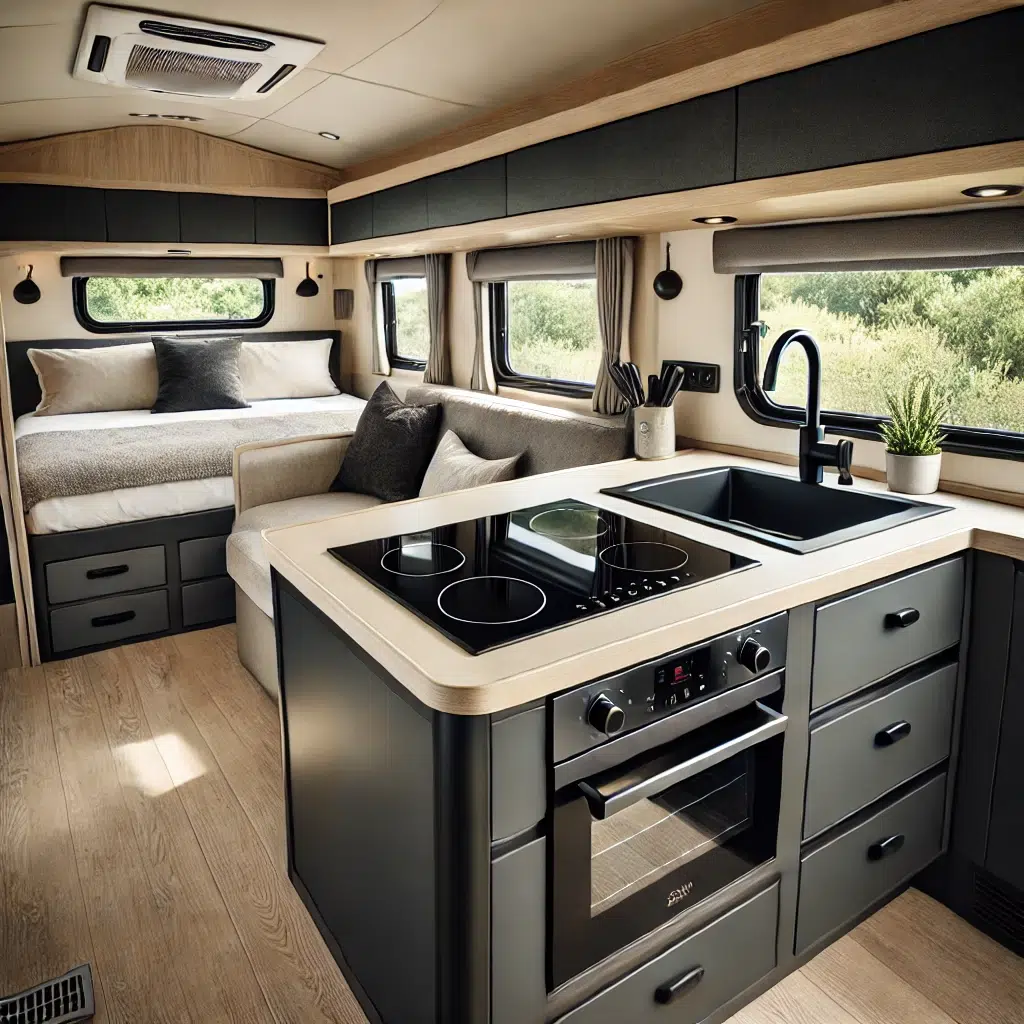
For many Australian travellers, having a reliable cooking setup is just as important as a good 12V system. Whether you’re touring in a caravan, heading off-grid in a 4WD, or setting up camp in remote locations, you need a practical and efficient way to prepare meals.
For years, gas stoves have been the go-to choice. However, with advances in lithium battery systems, inverters, and solar technology, many travellers are making the switch to induction cooktops. But is it the right choice for you?
This guide will break down the pros, cons, power requirements, and real-world experiences so you can make an informed decision.
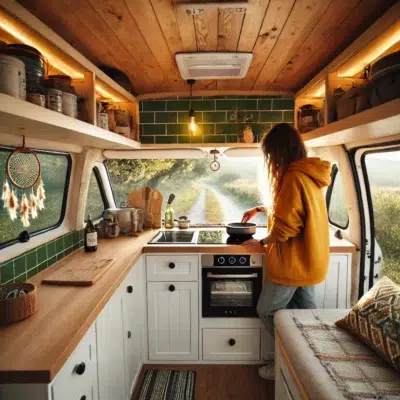
Induction cooktops use electromagnetic energy to heat cookware directly, making them highly efficient. Unlike gas or traditional electric stoves, induction heats only the pot or pan, reducing wasted energy.
While these benefits make induction a great option, it’s important to consider the power requirements and potential challenges before making the switch.
To run an induction cooktop effectively, you will need a sufficient battery, inverter, and solar charging system to handle the power draw.
| Feature | Induction Cooktop | Gas Stove |
|---|---|---|
| Cooking Speed | Faster | Slower |
| Efficiency | High (90% energy to cookware) | Lower (heat lost into the air) |
| Safety | No flame, no gas leaks, auto shut-off | Open flame, gas leaks possible |
| Setup Requirements | Requires lithium battery, inverter, and solar | Requires gas bottles and plumbing |
| Weight & Storage | Lighter (no gas bottles needed) | Heavier due to gas bottles |
| Cost | Higher upfront (battery + inverter) | Lower upfront, but requires gas refills |
| Suitability for Indoor Cooking | Ideal – no fumes or added moisture | Needs good ventilation |
Gas remains a popular choice for budget-conscious travellers and those without the electrical capacity for induction. However, for those investing in a 12V lithium power system, induction offers a more convenient, efficient, and safer cooking solution.
Most induction cooktops draw between 1,000W and 2,400W per burner, meaning a sufficient 12V power system is essential.
At Sandgate Auto Electrics & Automotive Services in Brisbane, we custom design and install 12V systems to ensure you have enough power to run an induction cooktop while travelling.
If you’re still unsure about whether induction cooking is the right choice for your setup, check out Explore Bound’s video, where Dan (a seasoned traveller!) shares his first-hand experience with induction cooking on the road:
This provides a realistic look at power usage, convenience, and overall practicality for long-term travel.
If you’re considering switching to induction cooking, your 12V power system needs to be designed correctly. At Sandgate Auto Electrics & Automotive Services, we specialise in:
Induction cooking is efficient, modern, and hassle-free, but it requires a properly designed electrical system. With the right battery, inverter, and solar setup, you can enjoy fast, safe, and reliable cooking whether you are off-grid or at a powered campsite.
If you’re thinking about making the switch, Sandgate Auto Electrics & Automotive Services in Brisbane can help you install a 12V power system that works for your travel needs.
Visit us at Sandgate Auto Electrics & Automotive Services or contact us today for expert advice and installations.