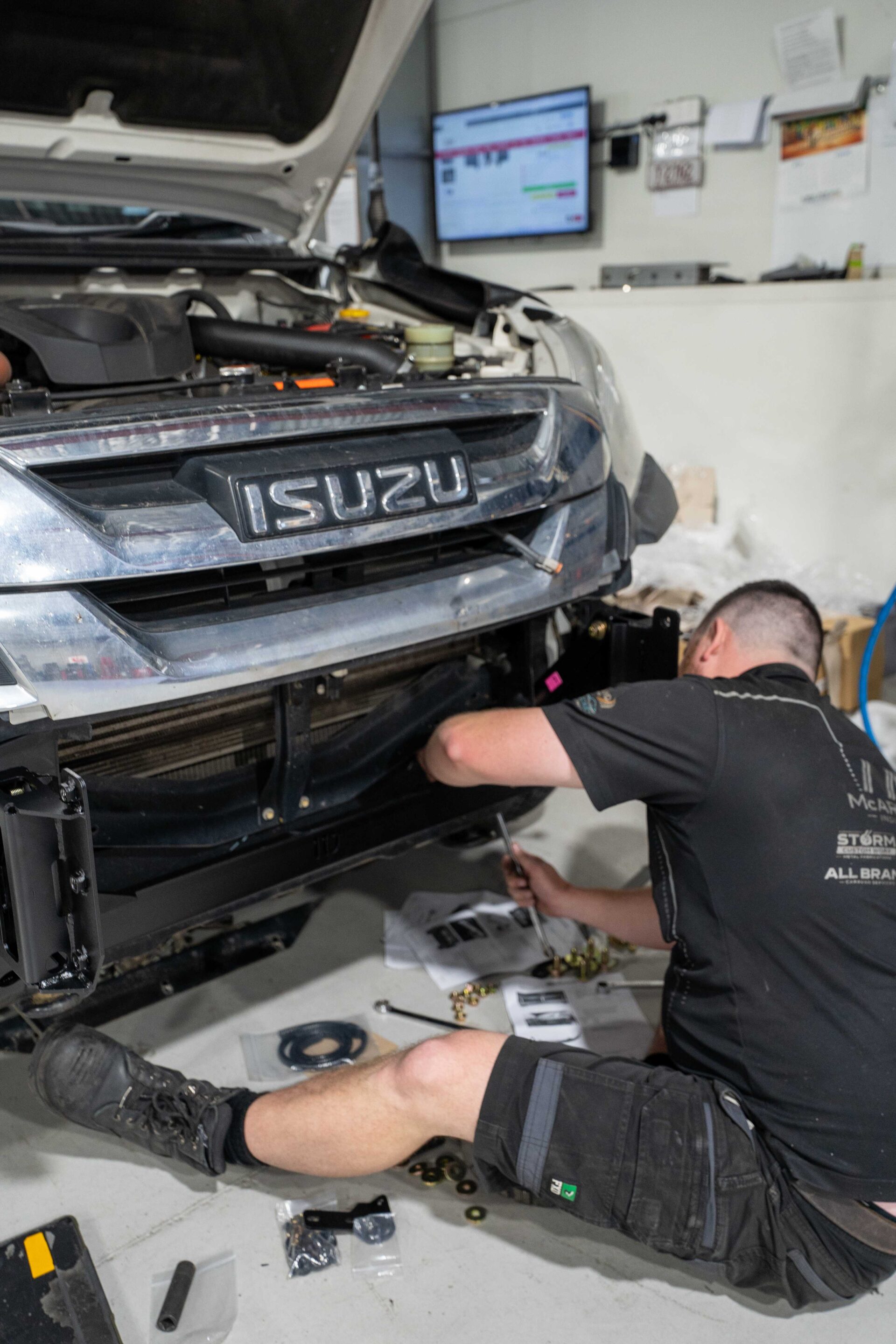
With that said, if you prefer to take the DIY approach, first make sure you have the right tools. Then refer to the installation instructions which come included with your new towbar. If you’re still confused, then the manufacturer is more than happy to help you over the phone with any queries.
Installing your towbar DIY does take a bit longer than if a professional fitted it. So it’s a trade-off between saving some extra money or saving some time.
There are some vehicles where installing the towbar is extremely easy. For other vehicles, they can have a complicated setup which goes a bit beyond most hobbyist auto mechanics skills. Modern European cars are usually in this category. If you have a European car, such as BMW, Volvo, Mercedes Benz, Audi, VW, Peugeot, Renault, Range Rover or SAAB. Then it is advisable to have a professional install the towbar.
Genuine Vs Aftermarket Towbars
Wat exactly is the difference between genuine and aftermarket towbars? Are aftermarket products safe and reliable?
Aftermarket towbar brands don’t only offer a lower price. Customer support is better than genuine towbars purchased through a dealership.
A dealership will often need to contact their headquarters if an issue arises. With a lot of headquarters overseas, this can take quite a while.
But, Australian aftermarket products offer far superior customer service than those from overseas.
If you are buying a towbar for an older vehicle, it may be difficult to find genuine parts and an OEM towbar. Especially when it comes to pins, bolts, and tongues. If your car brand decides to stop manufacturing them, they can be tough to find.
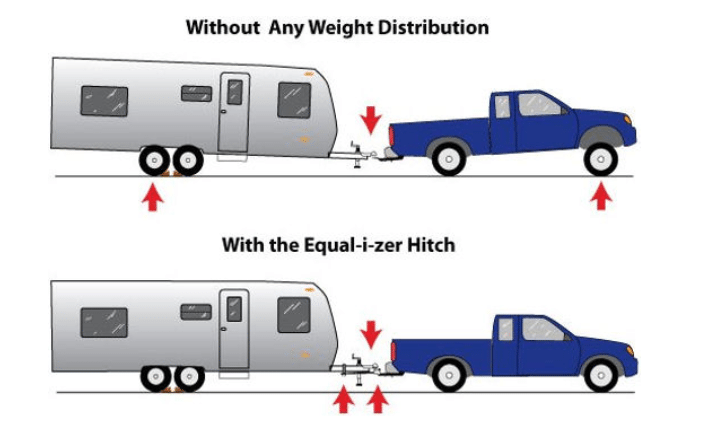
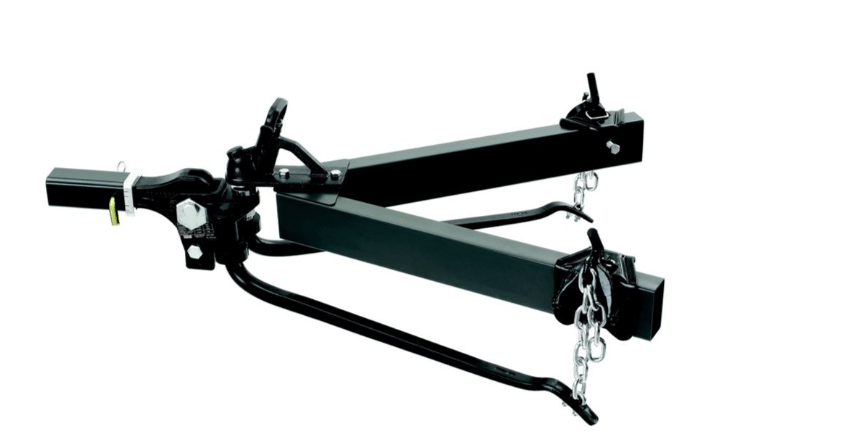
This can be a problem with certain car manufacturers. Some OEM towbar designs are not compatible with any aftermarket accessories. Examples include off-road couplings or weight distribution hitches.
Some towbars also have a pin off centre, in a different location. So, an aftermarket tongue with the hitch receiver can’t be used.
Most aftermarket towbar brands provide a lifetime guarantee on their spare parts.
Laws and Legislations Around Safe Towing
There are many different laws and regulations in Australia in regards to towing. Some of these laws and legislation are not commonly known. Before you head out around Australia, it’s important to make sure you are compliant to tow your rig safely.
A Guide To Safe Towing
Towing is a lot more complicated than everyday driving. When you are towing a caravan, it requires you to be hyper-focused. You also need to take greater safety measures than usual.
When you are towing a trailer or caravan, you must ensure that you meet all safety and legal requirements.
The following safe towing guide (PDF, 155 KB) provides information on how to safely drive a vehicle with a trailer. It also covers how to make sure they are correctly equipped.
Obscured Number Plate
A vehicle can have the rear number plate covered while it is towing a caravan or trailer. The caravan or trailer must have its number plate displayed.
A-Frame Towing Guide
A-Frame towing means towing a vehicle which has all its wheels on the road. The towing vehicle connects to the towbar of the vehicle being towed. This then forms a triangular “A” shaped frame – which is how it gets its name.
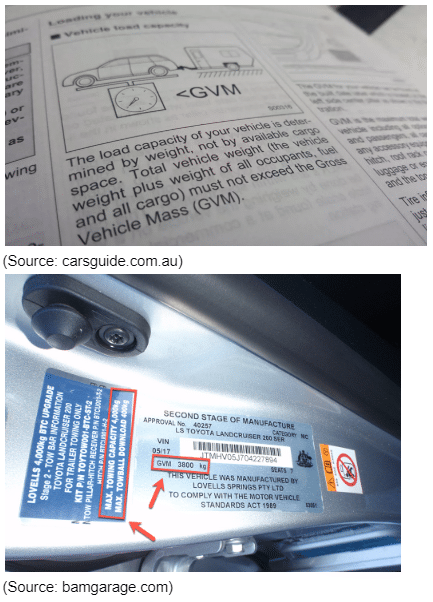
The A-frame towing guide (PDF, 191 KB) contains more information. It shows how to safely perform A-frame towing of a vehicle with a GVM (Gross Vehicle Mass) of up to 4.5 tonnes.
Note: The Safe towing guide & A-Frame Towing Guide comply with Queensland legislation. For travel outside of Queensland, consult the relevant state or territory’s laws.
Other unknown laws and legislation in Australia include:
Driving Too Slowly
A lot of people often complain about drivers with caravans driving too slow. But, it’s not illegal to drive slow. If you unreasonably obstruct drivers or pedestrians, you can receive a ticket. Each state has a different rule, so it’s recommended to check for each location you plan to travel to.
You can drive at a speed which is safe and ‘reasonable’ considering the road conditions. But if you are planning to drive at 20 km along the freeway to save fuel, you’re not going to have a good time with the Police and other drivers frustrated with your behavior on the road.
Breakaway System
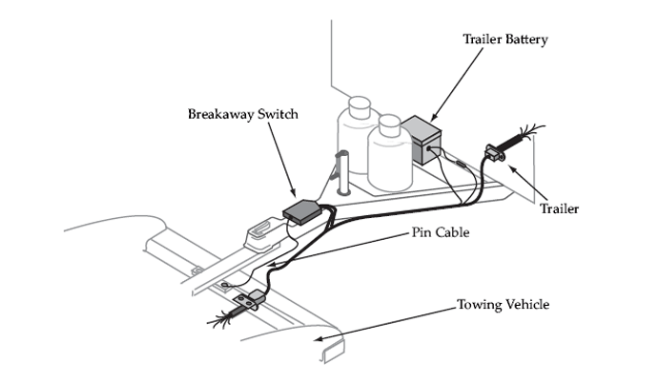
In every state of Australia, for any trailer over 2500 kg, it is necessary to have a trailer breakaway system fitted which has a backup battery.
A trailer breakaway system is a failsafe which can bring a trailer to a safe stop. It works by activating the trailer’s electric brakes if it becomes disconnected during driving from the tow vehicle.