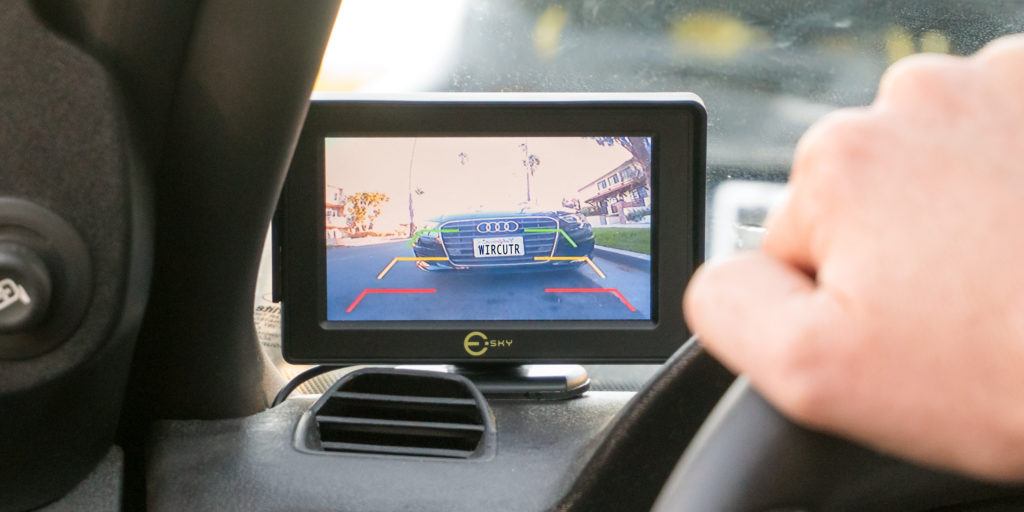
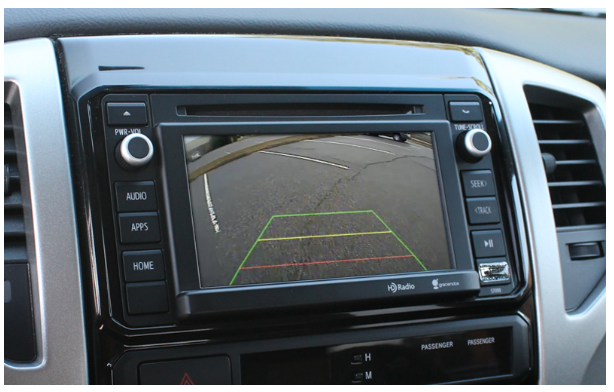
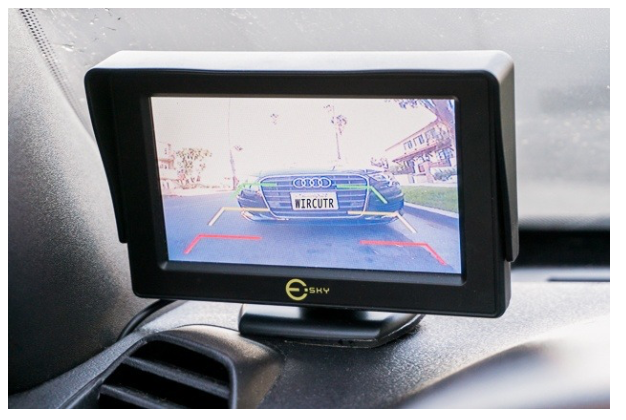
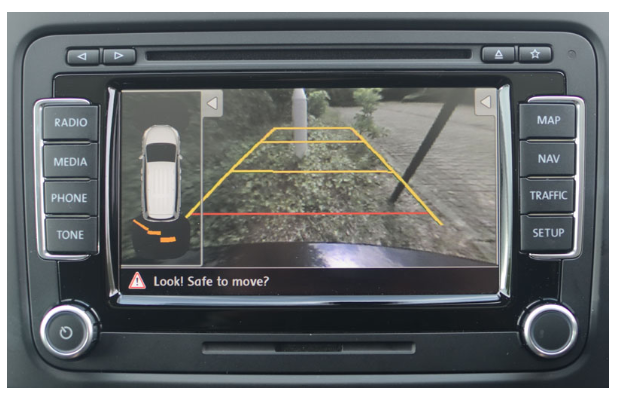
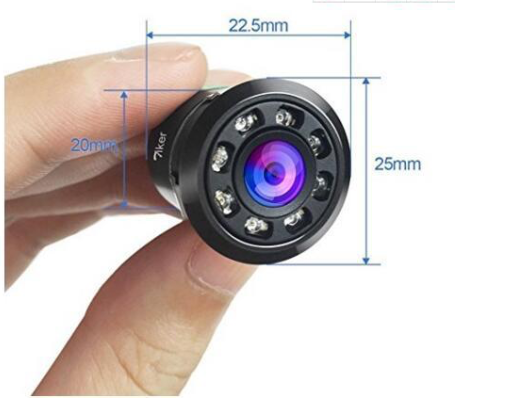
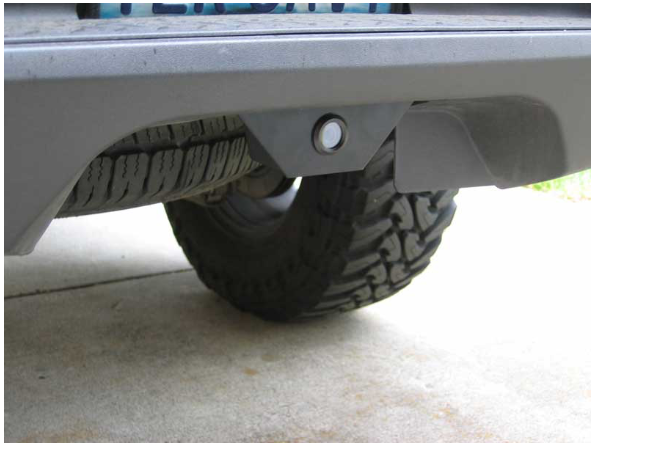
The blind zone is frequently the reason for many collisions with poles, walls, or other stationary objects. Sadly, it’s also a cause of collisions with small children. sometimes with tragic consequences.
Installing a reversing camera significantly reduces these risks from occurring when reversing. But, they are not a complete replacement for driver alertness.
Another benefit of reversing cameras is when parking. Up to 20% of all vehicle accidents happen when reversing, according to the NRMA.
A rear-view camera is vital for showing hidden objects. It is a wise investment to make, and it pays for itself by preventing expensive repairs from a collision.
Reverse Camera Installation
There are two main options for reverse camera installation. Either you can choose to have one professionally installed. Otherwise, you can choose the DIY method.
DIY Reverse Camera Installation
There are now more DIY options available than ever before.
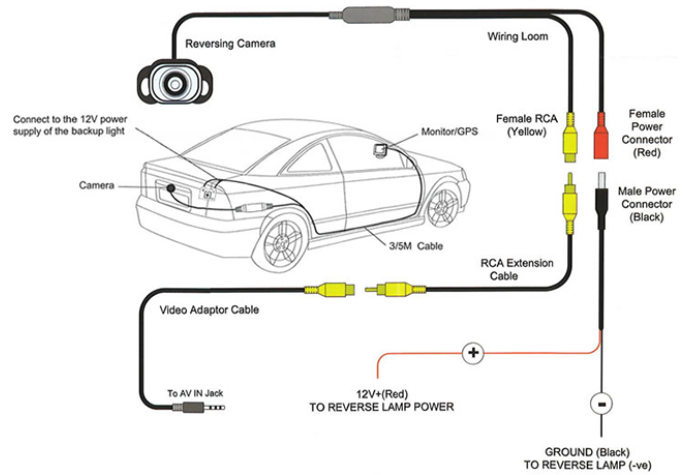
As highlighted in many reversing cameras guides, wireless kits typically don’t require any wiring between the camera and monitor. Instead, they use RF transmitters to send the video signal. However, despite being called “wireless,” the camera still needs to be wired directly into the vehicle’s electrical system. This is essential for providing power and ensuring the system activates automatically when reverse gear is selected—usually done by connecting to the reverse light assembly.
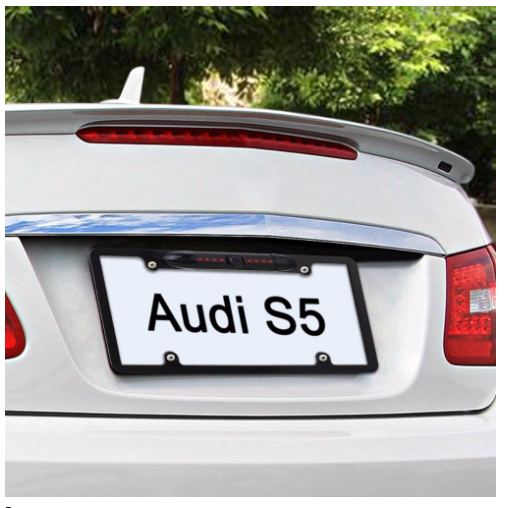
The camera is often mounted discretely above the number plate. If you have a larger vehicle, it will need to be mounted above the rear windows or doors.
Where the camera is positioned is very important to make sure it provides a clear field of view.
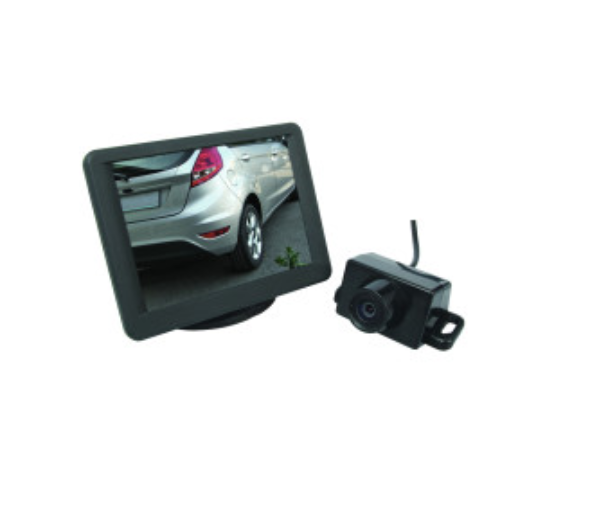
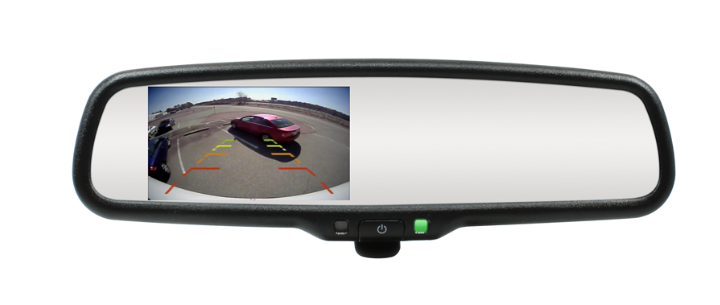
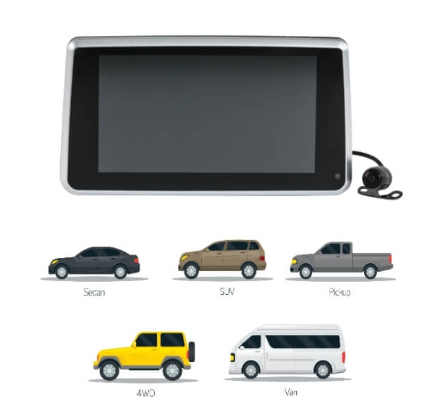
The monitor also requires power as well. Whether it’s a rear view mirror type or a dash-mounted monitor, there are a few options available:
- Wiring the monitor into the car’s electrics, which is under the dash
- Having a cable dangle and connect to the cigarette lighter
The following video demonstrates how to DIY install a car reversing camera system.
But what if you don’t have a good understanding of car auto electrics? You may find it to be a confusing and frustrating process. Trying to get the camera installed without causing any damage can be rather tricky. If you aren’t confident in your skills, then it’s probably a good idea to have an auto electrician install it for you.
Professional Reverse Camera Installation
According to any comprehensive reversing cameras guides, the option that offers the best value is having a high-quality reversing camera professionally installed. While it may cost slightly more than DIY alternatives, it delivers greater reliability and helps maintain your vehicle’s factory-fitted interior—ultimately increasing its resale value. Replacement mirror systems often come with vehicle-specific mountings, ensuring a perfect fit for your car.
A professional can also install a camera into the existing in-dash monitor of your vehicle. Or they can instead install a rear vision mirror replacement which includes an integrated LCD screen.
Most customers value convenience, which is why the majority of companies offer a mobile fleet service. They will come to your home or workplace at a time convenient for you, to make the whole process easy
Reverse Camera Brands
The main reverse camera brands include Parkmate, Polaris, Pioneer, and Gator.
Unsure which is the best brand for you? Let’s take a look at each.
Parkmate reverse camera
Parkmate makes a range of high-quality reverse cameras. They are one of the most reputable and popular Australian brands available.
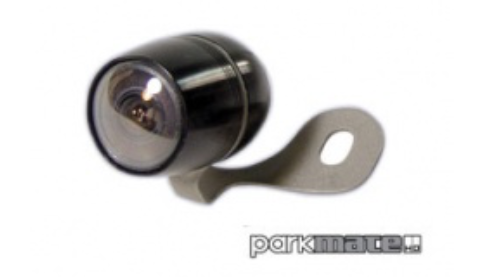
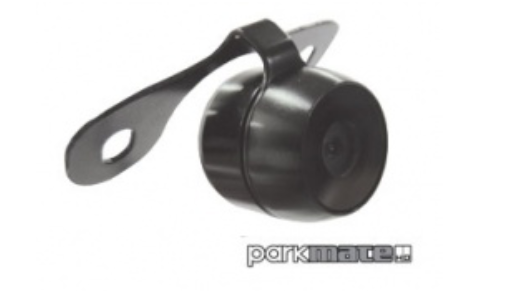
The most popular Parkmate reverse camera include:
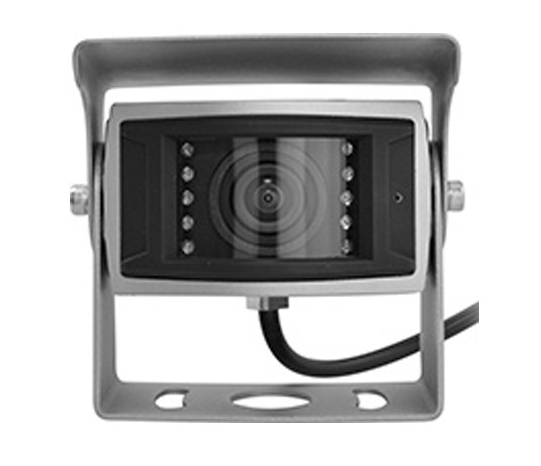
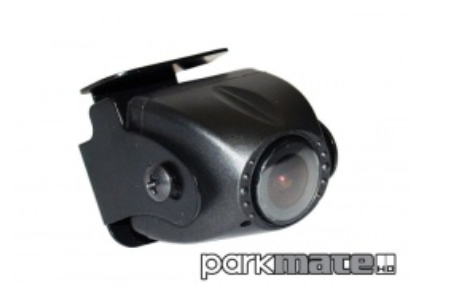
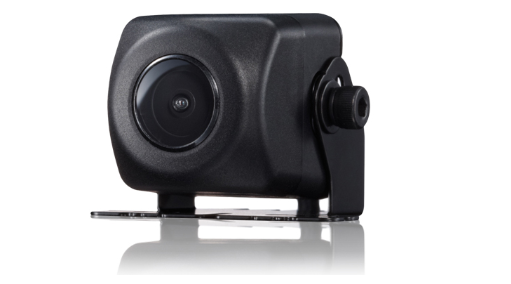
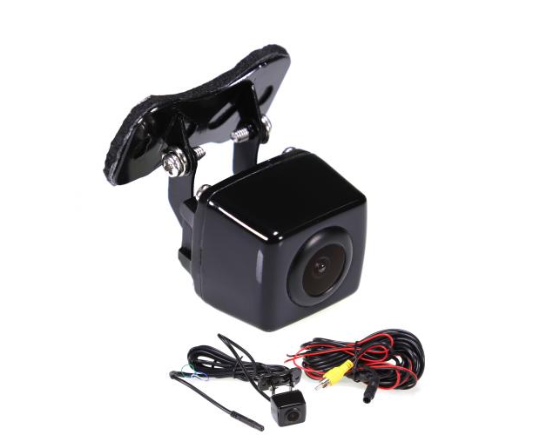
CD5JN High Definition Colour CCD Camera is the best high-quality camera on the market. It adds extra visibility in low light conditions. Recommended for: vehicles with a lip number plate area