Your car won’t start.
The dashboard lights are on. The key is in your hand. Maybe the immobiliser light is flashing.
It’s easy to assume the immobiliser has failed.
But that isn’t always the case.
A starting problem can come from several different systems, including the battery, starter motor, ignition system, key or transponder, wiring, communication between vehicle modules, or the immobiliser itself.
That’s why car immobiliser problems should be diagnosed methodically rather than treated as a parts-replacement exercise.
At Sandgate Auto Electrics & Automotive Services, we regularly deal with electrical and starting faults where the first symptom doesn’t immediately reveal the true cause.
Here’s what to look for and when it’s time to call an auto electrician.
What Are the Signs of an Immobiliser Problem?
Immobiliser faults don’t always present in exactly the same way.
Depending on the vehicle, possible warning signs may include:
- the engine not starting
- the vehicle starting and then cutting out
- a key or security warning symbol on the dashboard
- an immobiliser light flashing unexpectedly
- the vehicle failing to recognise the key
- intermittent starting problems
- the vehicle starting with one key but not another
- a security warning appearing after battery or electrical work
A flashing key or security symbol can sometimes indicate that the vehicle isn’t recognising the expected key or authorisation. However, warning symbols vary between manufacturers, so the owner’s manual is still the best place to confirm exactly what a particular dashboard light means.
The key point is that these symptoms are clues, not a complete diagnosis.
Key or Transponder Problems
One of the first things to consider is the key itself.
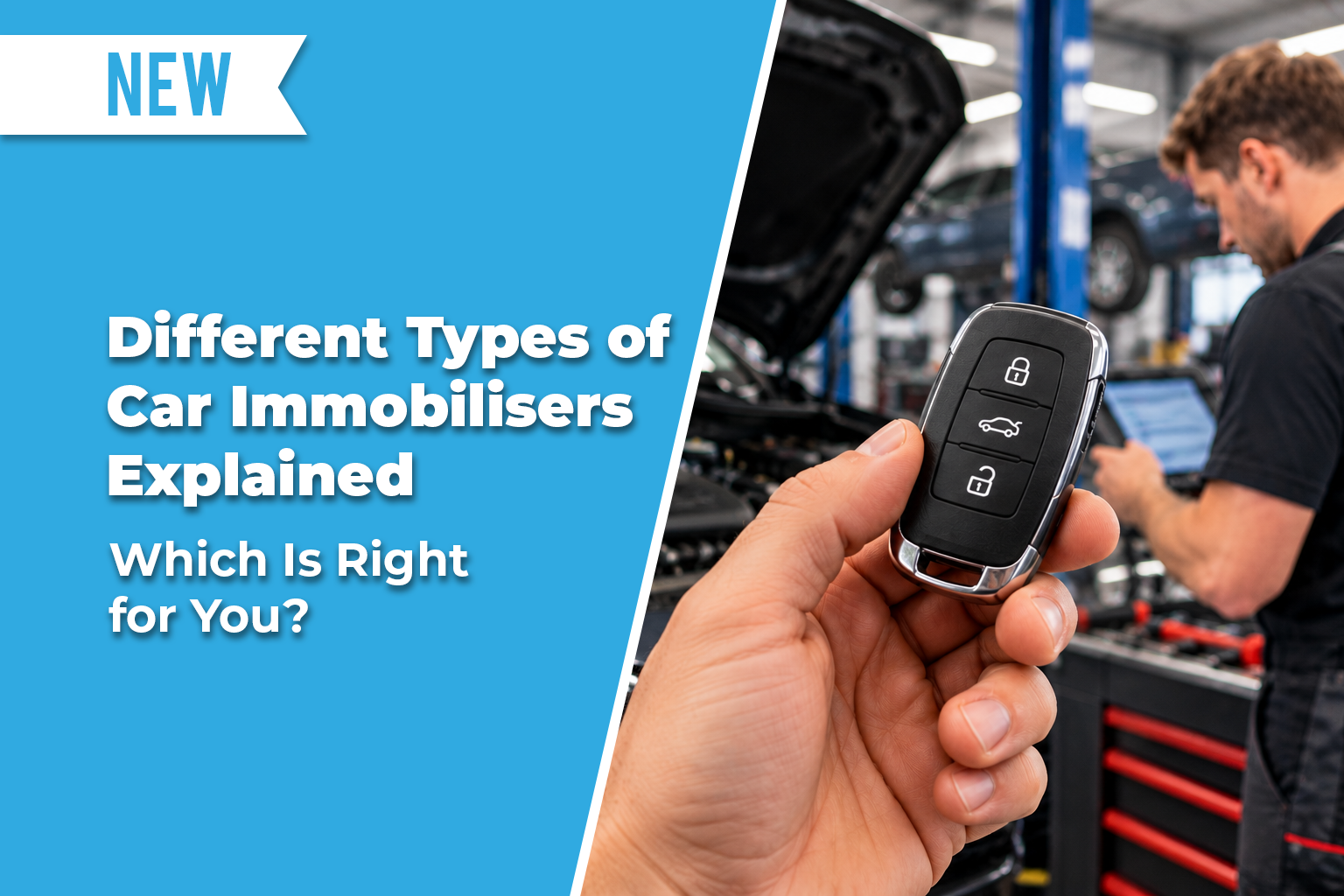
Modern vehicle keys often contain electronic components that communicate with the vehicle’s security system.
If that communication fails, the vehicle may not recognise the key correctly.
Possible causes can include:
- damage to the key
- a problem with the electronic transponder
- a weak key-fob battery on systems that rely on powered remote functions
- programming or synchronisation issues
- a problem with the vehicle’s key-recognition system
If you have a spare key, comparing how the vehicle behaves with each key can sometimes provide useful information for diagnosis.
If one key consistently works while the other doesn’t, that gives the technician an important clue.
However, don’t assume every no-start problem with a key symbol is automatically a failed key.
The vehicle still needs to be checked properly.
Can a Low Vehicle Battery Cause Immobiliser-Like Problems?
Yes, low system voltage can create confusing symptoms.
Modern vehicles rely on stable electrical power for multiple control modules, including starting, security and key-recognition systems.
If the main vehicle battery is weak, the car may:
- crank slowly
- click when you try to start it
- display multiple warning lights
- behave inconsistently
- fail to start at all
Battery problems are also a very common cause of vehicle breakdowns in general.
This is one reason an auto electrician should check the basics before condemning an immobiliser.
Replacing security components won’t fix a starting problem caused by insufficient battery voltage.
Why a Flat Key-Fob Battery Can Be Confusing
A low key-fob battery can cause problems with remote locking, proximity detection or key recognition on some vehicles.
For certain push-button start vehicles, the car may provide an alternative manufacturer-approved method of recognising the key when the fob battery is weak.
That procedure varies by vehicle, so check your owner’s manual rather than relying on a generic internet “reset.”
The AA notes that a vehicle security system may sometimes prevent starting when the key isn’t recognised and that a low fob battery can be one possible cause.
The safest approach is to follow the vehicle manufacturer’s instructions and have the system diagnosed if the problem continues.
Intermittent Starting Problems
Intermittent faults can be some of the most frustrating electrical problems to diagnose.
The vehicle might start perfectly ten times, then refuse to start without warning.
Possible causes can include:
- intermittent key recognition
- poor electrical connections
- low or unstable voltage
- wiring faults
- starter circuit problems
- ignition faults
- communication problems between control modules
- security-system faults
Because the problem comes and goes, it’s tempting to ignore it once the vehicle starts again.
That’s often a mistake.
Intermittent electrical faults can get worse over time, and the information available while the fault is happening can be extremely useful to a technician.
If possible, note:
- what warning lights appeared
- whether the engine cranked
- whether you heard clicking
- which key you were using
- whether the problem occurred hot or cold
- whether the vehicle had recently had battery work
- whether locking and unlocking the car changed anything
Those details can make diagnosis much easier.
Wiring and Connection Problems
A vehicle’s security and starting systems depend on reliable electrical connections.
Age, vibration, previous repairs, accessory installations and environmental exposure can all contribute to electrical problems.
A wiring or connection fault may create symptoms that appear to come from the immobiliser even when the security module itself is functioning correctly.
This is why replacing an immobiliser module based on a dashboard warning alone can be an expensive mistake.
A technician may need to inspect power supplies, grounds, wiring integrity and communication between systems before determining the actual cause.
Programming and Communication Faults
Modern vehicles contain multiple electronic control modules that communicate with one another.
The immobiliser system may need to exchange information with components such as the:
- key or transponder
- body control module
- engine control module
- ignition or start system
- instrument cluster
If that communication is interrupted or corrupted, the vehicle may fail to authorise a start.
This doesn’t necessarily mean any one module has completely failed.
The issue may involve communication, programming, voltage supply or another related fault.
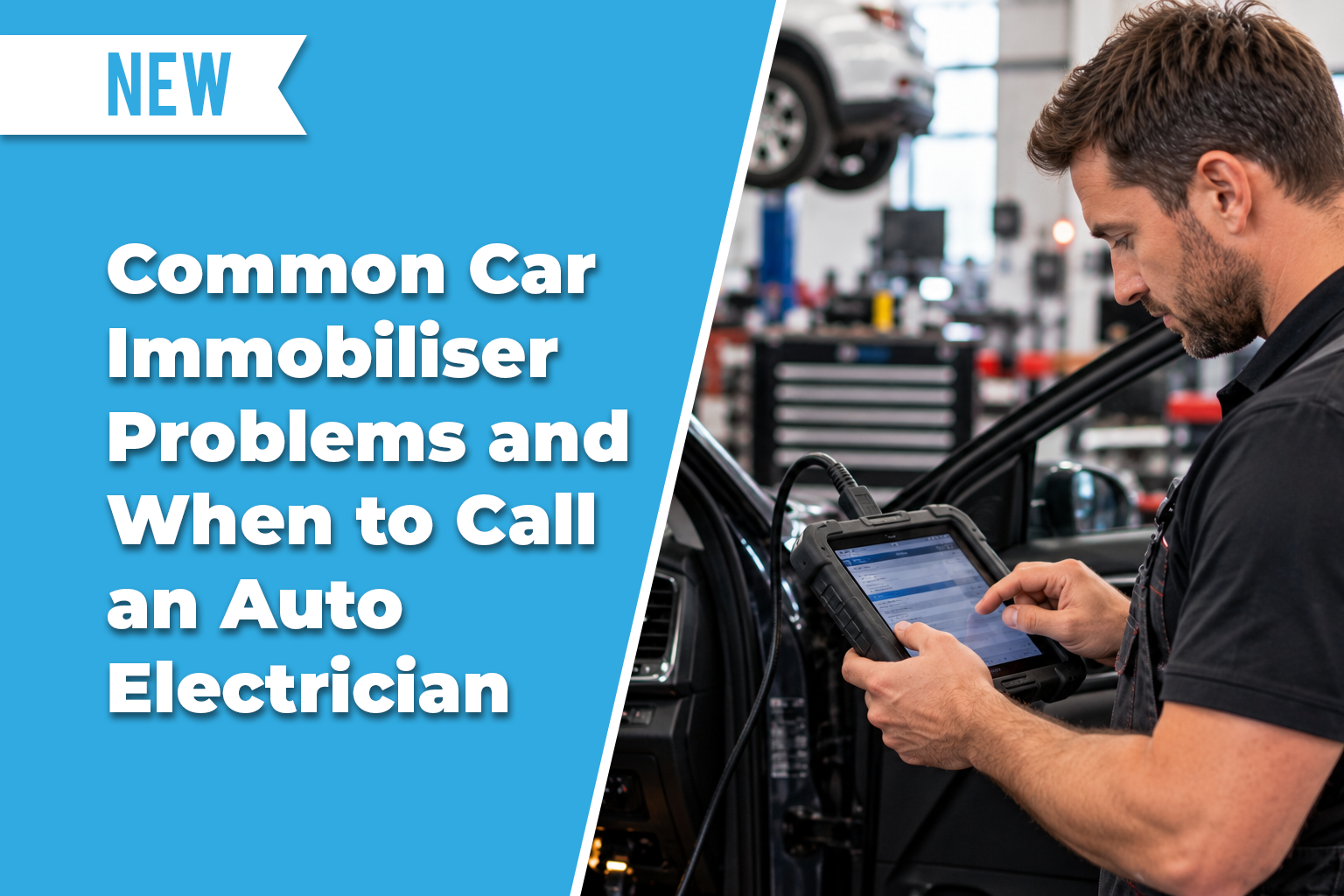
Diagnostic equipment can help a technician read fault information and see which systems are communicating correctly.
When the Immobiliser Is Not the Cause
This is one of the most important parts of diagnosing a vehicle that won’t start.
A no-start condition can have many causes.
For example:
Weak or flat battery
A low battery can cause clicking, slow cranking or strange electrical behaviour.
Starter motor fault
If the starter motor or starter circuit has a problem, the vehicle may not crank normally.
Ignition fault
A problem within the ignition or start-command system may prevent normal starting.
Fuel or engine-management problem
If the engine cranks but doesn’t start, the issue may have nothing to do with the immobiliser.
Electrical connection fault
Poor battery terminals, grounds, relays or wiring can affect starting.
The AA’s breakdown guidance makes the same broader point: starting problems can come from the battery, starter, immobiliser, fuel system and other electrical or mechanical causes.
So if you’re looking at a car that won’t start, the right question isn’t:
“Which immobiliser part should I replace?”
It’s:
“Which system is actually preventing the vehicle from starting?”
Don’t replace parts by guesswork
If the cause isn’t clear, book an auto-electrical diagnosis before spending money on keys, batteries, starter motors or immobiliser components.
Sandgate Auto Electrics & Automotive Services can test the vehicle systematically and identify where the starting or security fault is coming from.
Request a quote: https://quote.sandgateautoelectrics.com.au
What Does an Auto Electrician Check?
The exact diagnostic process depends on the vehicle and symptoms, but a methodical assessment may involve checking several areas.
Battery voltage and condition
The technician needs to know whether the vehicle has a stable electrical supply.
Starting system behaviour
Is the starter motor operating normally?
Does the engine crank?
Is the problem occurring before, during or after the start command?
Key recognition
Is the vehicle recognising the authorised key?
Does the behaviour change with a spare key?
Warning lights and stored fault information
Diagnostic scanning can provide useful information from the vehicle’s control systems.
Fault codes aren’t always a final answer by themselves, but they can help guide testing.
Electrical connections and wiring
Where relevant, the technician may inspect circuits associated with the fault rather than immediately replacing components.
Communication between modules
On modern vehicles, communication faults can be just as important as individual component failures.
The goal is to build evidence until the cause becomes clear.
Why Diagnosis Before Replacement Saves Money
Guessing gets expensive quickly.
Imagine replacing:
- the main battery
- the key
- the starter motor
- an immobiliser component
only to discover the original problem was a poor connection.
This is exactly why electrical diagnosis matters.
Sometimes the faulty part is obvious.
Other times the symptom is being caused by another system entirely.
A proper diagnosis helps avoid unnecessary replacement and gives you a much better idea of what actually needs to be repaired.
What Information Should You Bring to the Workshop?
The more information you can provide, the better.
Before booking, note:
- vehicle make and model
- year
- which key you were using
- whether you have a spare key
- what happens when you try to start the vehicle
- whether the engine cranks
- any dashboard warning lights
- whether the fault is constant or intermittent
- recent battery replacement or jump-starting
- recent electrical repairs or accessory installations
- whether the fault occurs only hot, cold or after sitting
If you’ve taken a photo or video of the dashboard when the fault occurs, that can also be helpful.
Frequently Asked Questions
Q. Why is my immobiliser light flashing?
A flashing immobiliser or security light may indicate that the vehicle hasn’t recognised the expected key or that the security system is reporting a fault, but the exact meaning varies by manufacturer. Check your owner’s manual first, and if the vehicle won’t start or the warning continues, have the system diagnosed rather than assuming which component has failed.
Q. Can a flat key battery stop the car from starting?
On some vehicles, a weak key-fob battery can interfere with remote or proximity functions and may contribute to key-recognition problems. However, the exact behaviour depends on the vehicle, and some systems have a manufacturer-approved backup method for recognising the key, so check the owner’s manual before concluding that the fob battery is the cause.
Q. Can I reset the immobiliser myself?
There isn’t one universal immobiliser reset procedure, and generic online instructions may not apply to your vehicle. Use only the procedure provided by the vehicle manufacturer; if the fault persists, diagnosis is safer than repeatedly trying unofficial reset methods.
Q. Why does the immobiliser fault come and go?
Intermittent faults can be caused by key recognition, voltage, wiring, connections or communication between vehicle systems. Because the problem may disappear before the vehicle reaches the workshop, noting the warning lights, conditions and exact symptoms when it happens can help the technician reproduce and diagnose it.
Q. How much does immobiliser diagnosis cost?
The cost depends on the vehicle, how long the fault takes to reproduce and what testing is required. A straightforward key-recognition problem may take less time to diagnose than an intermittent electrical or module-communication fault, so the best approach is to provide the workshop with the vehicle details and symptoms before booking.
Car Won’t Start? Diagnose the Cause First
An immobiliser warning doesn’t always mean the immobiliser itself has failed.
Battery, starter, key, ignition, wiring and electronic communication problems can all create similar symptoms.
That’s why replacing parts based on guesswork can quickly become expensive.
If your vehicle won’t start, intermittently refuses to recognise the key, or is displaying security-system warnings, Sandgate Auto Electrics & Automotive Services on Brisbane’s Northside can carry out an auto-electrical diagnosis to determine what’s actually causing the problem.
Get in touch.
📞 Call us: (07) 3269 3158
📍 Visit us: 101 Connaught Street, Sandgate Qld 4017
📧 Email: [email protected]