For those who frequently tackle long journeys, cruise control is an invaluable feature. It not only reduces fatigue and improves fuel efficiency, but also helps maintain consistent speeds for safer and more relaxed driving.

For those who frequently tackle long journeys, cruise control is an invaluable feature. It not only reduces fatigue and improves fuel efficiency, but also helps maintain consistent speeds for safer and more relaxed driving.
While cruise control offers numerous advantages, it’s important to consider its limitations:
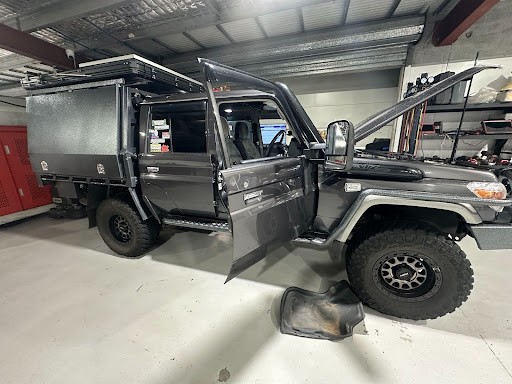
Here’s a simplified overview of the steps involved that our team completed for this install:
1.Location Assessment: Determining the optimal placement for the cruise control lever ensures ease of use and driver comfort.

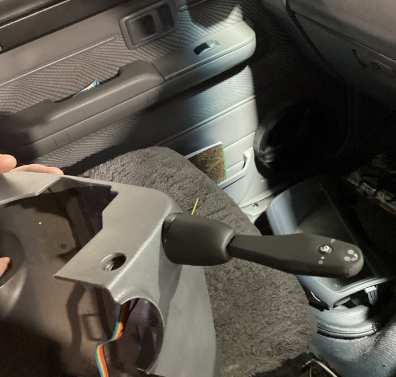
A closer look at the cruise control stalk switch

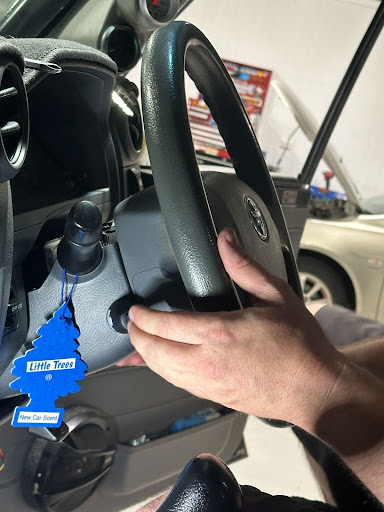
Testing the location of the cruise control
2. Steering Column Work: Removing steering column covers allows for proper installation of the cruise control stalk.
3. Module and Stalk Placement: The cruise control module is positioned behind the driver’s side dashboard, while the stalk is carefully integrated into the steering wheel.
4. Wiring: The system is wired to the appropriate vehicle’s electrical circuits
5. Reassembly and Testing: After reassembling the steering column covers, the team performs a thorough test drive to ensure all cruise control functions operate flawlessly.
If your car lacks factory-installed cruise control and you’d like to experience the benefits it offers, contact the team Sandgate Auto Electrics and Automotive. Our team of experienced technicians will professionally install an aftermarket cruise control system on your vehicle, enhancing your long drives for years to come.
If you have a vehicle that is not fitted with cruise control and would like an after-market kit installed give the team at Sandgate Auto Electrics and Automotive a call.

Aftermarket cruise control is a system that can be added to a car that doesn’t already have it. It allows you to maintain a constant speed on the highway without having to keep your foot on the accelerator pedal.
Benefits of aftermarket cruise control:
Types of aftermarket cruise control:
There are two main types of aftermarket cruise control:
Most cars can be equipped with aftermarket cruise control. However, it’s important to check with a qualified installer to ensure compatibility with your specific vehicle’s make, model, and year.
Aftermarket cruise control installation can vary in difficulty depending on the type of system and your car. Some kits are designed for easy DIY installation, while others require professional installation.
The cost of aftermarket cruise control can vary depending on the type of system, your car, and the installer. Prices typically range from a few hundred dollars to over a thousand dollars.
Aftermarket cruise control systems are required to meet safety standards. However, it’s important to use cruise control responsibly and be aware of its limitations. For example, cruise control should not be used in bad weather conditions or on roads with heavy traffic.
Aftermarket cruise control kits can be purchased from auto parts stores, online retailers, and car audio specialists.
The manufacturer recommends installation by a Professional Installer or Dealership Technician.